The Tenth Line blends platforming and tactical RPG combat
The Tenth Line, from Sungazer Software, is an indie action-RPG that sends a kidnapped princess across a vivid 2D world to reclaim her home. The game pairs side-scrolling platforming with turn-based tactical encounters that use active timing and positioning to resolve combat. Key elements include item-driven progression and a collectible card subgame. It targets players who enjoy 32-bit era JRPGs and methodical platform challenges focused on mechanics and story.
What kind of game is The Tenth Line?
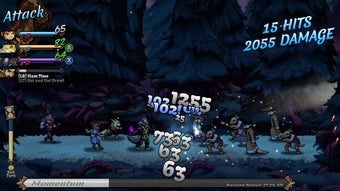
The game blends a side-scrolling adventure with turn-based tactical battles, alternating exploration and combat as its core loop. You guide a princess accompanied by a kobold and a dracomage through environmental hazards, then enter fights that reward precise timing for attacks and defenses. Encounters can scale up to large numbers of opponents, so encounters shift from small skirmishes to broad tactical puzzles that emphasise positioning and item choice.
How does exploration change when you control three characters?
Exploration relies on distinct movement traits: party members differ in jump height, running speed, and how they interact with the environment. Levels place challenges that require switching control to access secrets and overcome obstacles, turning traversal into a resource-aware puzzle. That design encourages planning routes and using each character’s mobility, rather than single-character platforming reflexes, so progress often depends on clever character sequencing.
What does the game look and sound like?
The Tenth Line presents high-quality 2D sprite art and layered backgrounds alongside a grand original soundtrack, which together set a cinematic tone for both travel and battle. Visuals and music support shifts from intimate story beats to larger combat set pieces. A standard dual-analog gamepad is recommended for best control, though keyboard input is supported, and the interface keeps multi-enemy information visible during fights.
Is progression and combat approachable for new players?
Progression sidesteps traditional grind, using item management and a puzzle-like board for stat growth rather than straight experience points. Combat emphasises timing and positioning, and characters learn specialties by training them with items to alter tactical options. An optional Story Mode reduces platform difficulty and removes most random encounters for players prioritising narrative, while post-game bonus encounters and a New Game Plus extend challenge for completionists.
An inviting pick for methodical platform-RPG fans, with a learning curve
The game suits players who enjoy 32-bit era JRPG style and deliberate platform puzzles, offering deep tactical encounters and additional content for completionists. Some players note an initial learning curve and dense tutorial information, which can complicate the opening hours. If you prefer mechanics-driven exploration and strategic combat, the game rewards patience and experimentation across its campaign and post-game challenges.